Back to Blog
📑 Table of Contents
1. Introduction to Sikkim
Sikkim, the second smallest state in India, is a paradise tucked away in the northeastern Himalayas. Bordered by Tibet, Nepal, and Bhutan, this tiny state offers an incredible mix of natural beauty, Buddhist culture, and adventure opportunities. From the snow-capped peak of Kanchenjunga (the world's third highest mountain) to pristine glacial lakes, ancient monasteries, and vibrant rhododendron forests, Sikkim has something for every traveler.
The state is divided into four districts: East Sikkim (Gangtok), West Sikkim (Pelling, Yuksom), North Sikkim (Lachung, Lachen, Gurudongmar), and South Sikkim (Namchi, Ravangla). Each region offers unique experiences and landscapes. Sikkim is also India's first fully organic state, with a strong commitment to environmental conservation and sustainable tourism.
🏔️ Quick Facts About Sikkim
- Capital: Gangtok
- Language: Nepali, Sikkimese, English, Hindi
- Best For: Mountains, Monasteries, Lakes, Trekking
- Altitude Range: 800 ft to 28,169 ft
2. Best Time to Visit Sikkim
Sikkim can be visited throughout the year, but the best time depends on what you want to experience:
🌸 Spring (March to May)
This is arguably the best time to visit Sikkim. The weather is pleasant with temperatures ranging from 13°C to 25°C. The hills come alive with blooming rhododendrons, magnolias, and orchids. Clear skies offer excellent views of Kanchenjunga. This is also the best time for trekking to Goecha La and Sandakphu. However, it's peak tourist season, so expect crowds and higher prices.
🌧️ Monsoon (June to September)
Heavy rainfall makes travel challenging with frequent landslides blocking roads. North Sikkim remains mostly closed during this period. However, if you're a nature lover, the lush green landscapes and cascading waterfalls are breathtaking. Gangtok and Pelling are relatively accessible.
🍂 Autumn (October to November)
Post-monsoon is excellent for travel with clear skies, pleasant weather, and snow-capped mountain views. The famous Tsomgo Lake starts getting its first snow. This is perfect for photography enthusiasts and trekkers. Temperatures range from 10°C to 20°C.
❄️ Winter (December to February)
Cold but magical! North Sikkim receives heavy snowfall, and high-altitude areas like Nathula, Tsomgo, and Gurudongmar may be inaccessible. However, if you want to experience snow and don't mind cold temperatures (as low as -5°C), this season offers a unique charm. Fewer tourists mean better prices and less crowded attractions.
3. Permits Required for Sikkim
Understanding permit requirements is crucial for your Sikkim trip. Here's everything you need to know:
Inner Line Permit (ILP)
All Indian tourists need an Inner Line Permit to enter Sikkim. Don't worry – it's free and easy to obtain! You can get it at:
- Rangpo Checkpost: Entry point from West Bengal (available 24/7)
- Melli Checkpost: Alternative entry point
- Siliguri: Sikkim Tourism Office, SNT Bus Stand
- Online: Apply at sikkimtourism.gov.in
Documents required: Photo ID (Aadhaar/Passport), 2 passport photos. The permit is valid for 60 days.
Protected Area Permit (PAP)
Required for visiting restricted areas near the international borders:
- Nathula Pass: ₹200 per person (Indians only, closed on Mondays and Tuesdays)
- Tsomgo Lake: Included with Nathula permit
- Gurudongmar Lake: ₹200 per person (Indians only)
- Lachung & Yumthang: ₹200 per person
PAP must be obtained through a registered travel agent in Gangtok. Foreign nationals have different permit requirements and cannot visit Nathula.
4. How to Reach Sikkim
✈️ By Air
Bagdogra Airport (IXB) is the nearest airport, located 124 km from Gangtok. It's well-connected to Delhi, Kolkata, Mumbai, and Guwahati. From Bagdogra, you can take a shared taxi (₹350-400) or private cab (₹3,500-4,000) to Gangtok. The journey takes about 4-5 hours through scenic mountain roads.
Sikkim also has a small airport at Pakyong, just 35 km from Gangtok, but flight operations are limited due to challenging terrain.
🚂 By Train
New Jalpaiguri (NJP) is the nearest major railway station, located 125 km from Gangtok. It's well-connected to all major Indian cities. The Darjeeling Mail and Kanchenjunga Express are popular trains. From NJP, shared taxis to Gangtok cost ₹300-350 per person and take about 4-5 hours.
🚌 By Road
Sikkim Nationalised Transport (SNT) operates buses from Siliguri to Gangtok daily. The fare is around ₹200-300 for the 5-hour journey. Private operators also run Volvo and semi-sleeper buses. If driving your own vehicle, ensure you have all documents ready for the checkpost.
5. Top Places to Visit in Sikkim
East Sikkim
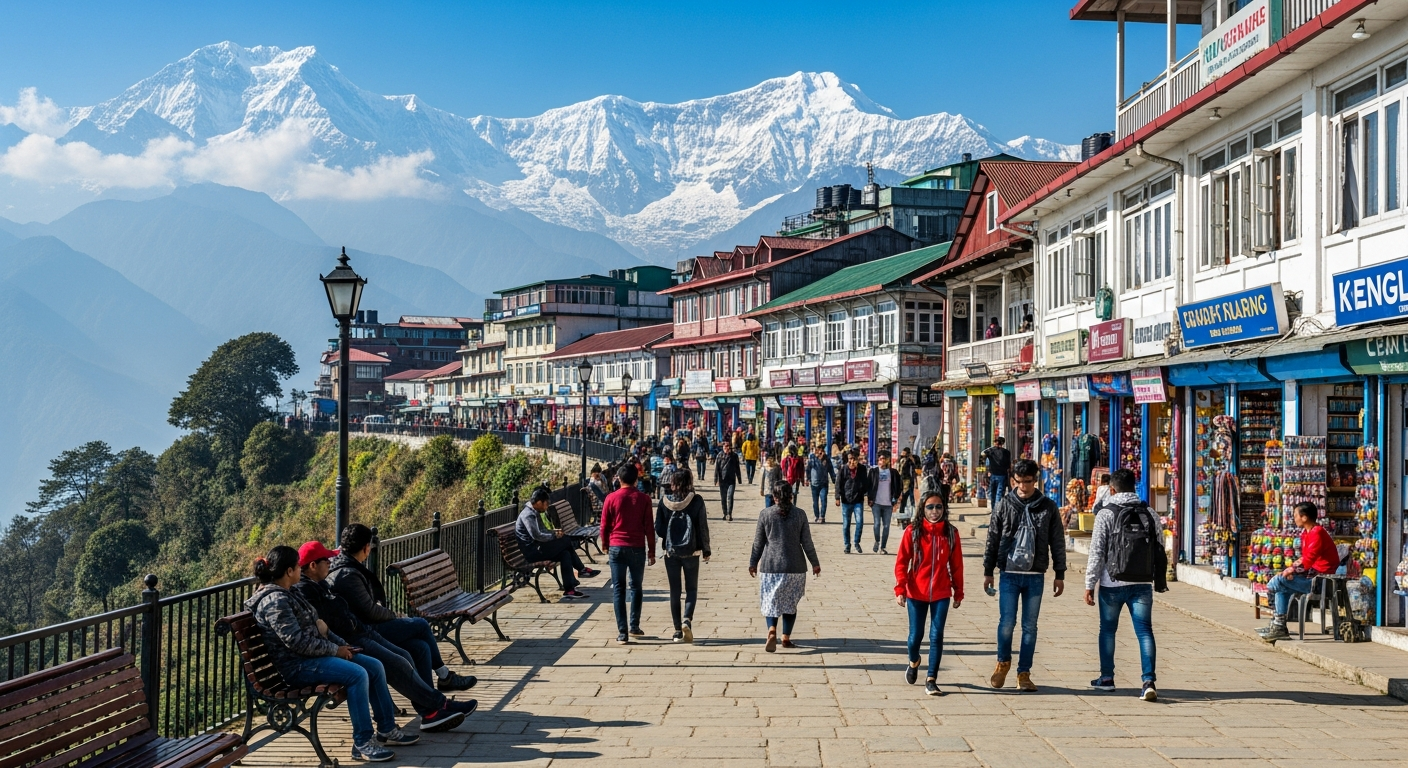
- MG Marg, Gangtok: The heart of Gangtok – a pedestrian-only street with shops, cafes, and stunning views
- Tsomgo Lake: Glacial lake at 12,400 ft, frozen in winter, with yak rides
- Nathula Pass: India-China border at 14,140 ft – a must-visit for patriotic experience
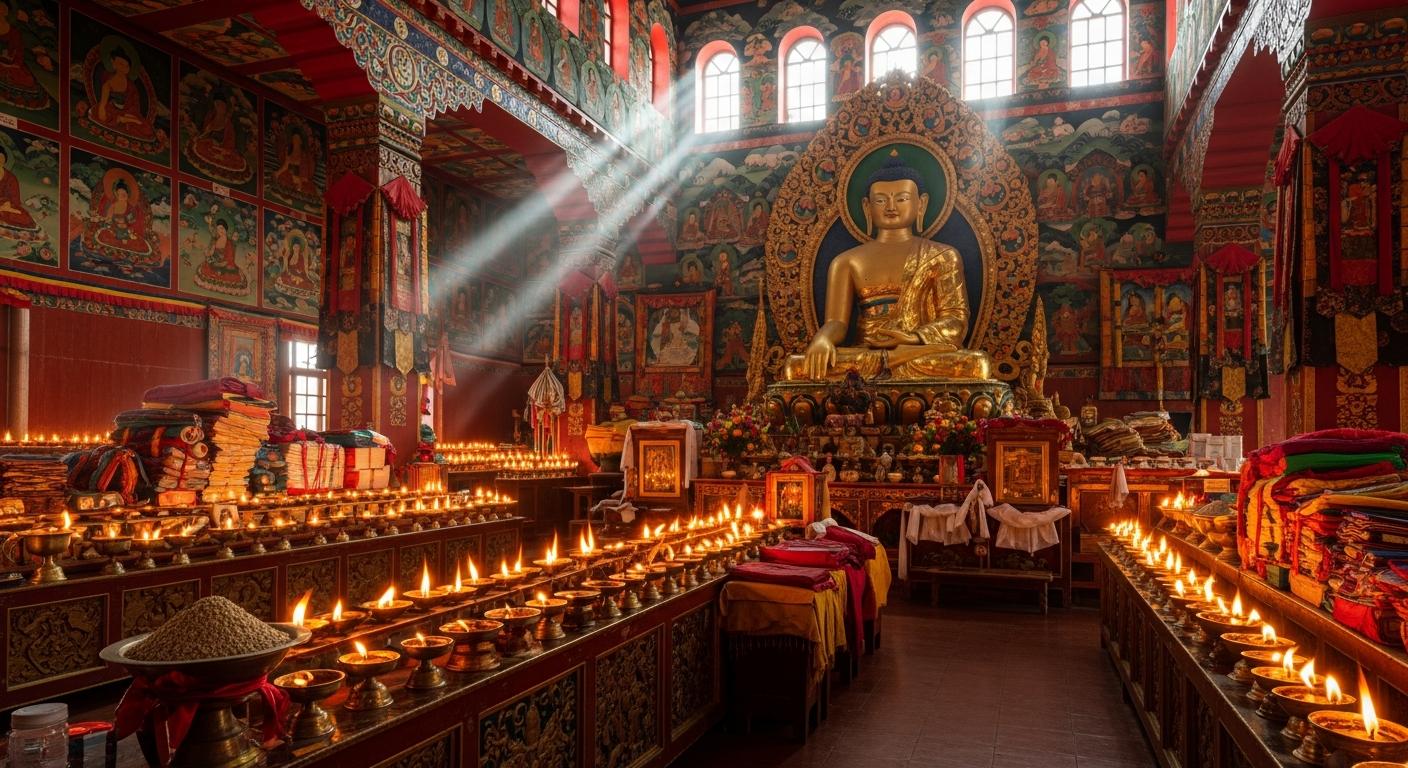
- Rumtek Monastery: One of the largest and most sacred Buddhist monasteries in India
- Hanuman Tok: Hilltop temple with panoramic views
North Sikkim
- Lachung & Yumthang Valley: "Valley of Flowers" with stunning landscapes
- Gurudongmar Lake: Sacred lake at 17,100 ft – one of the highest in the world
- Zero Point: Where the road ends at 15,300 ft
West Sikkim
- Pelling: Gateway to Kanchenjunga with stunning mountain views
- Pemayangtse Monastery: One of Sikkim's oldest monasteries
- Khecheopalri Lake: Sacred "wish-fulfilling" lake
- Yuksom: First capital of Sikkim, starting point for Goecha La trek
South Sikkim
- Namchi: Home to the giant Guru Padmasambhava statue
- Ravangla: Buddha Park with 130-foot tall Buddha statue
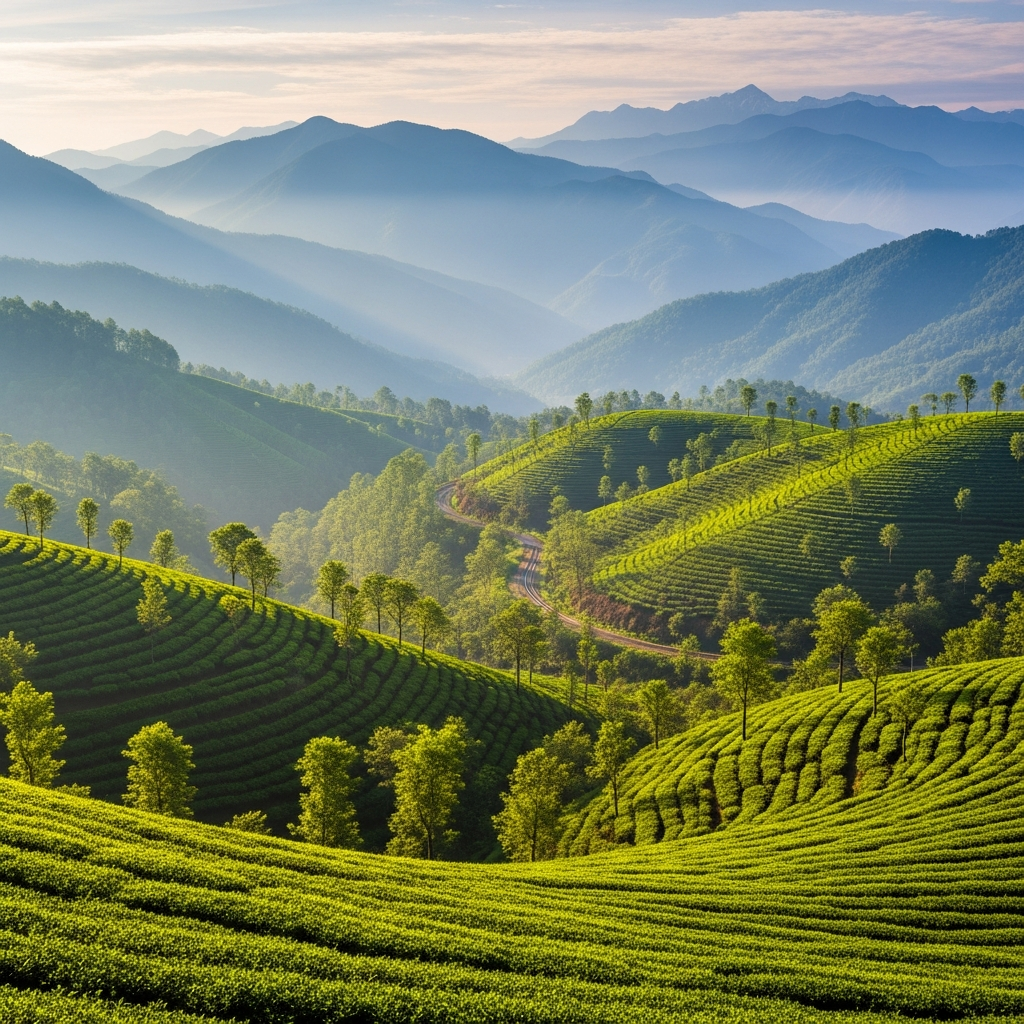
- Temi Tea Garden: Sikkim's only tea estate
6. Food & Cuisine
Sikkimese cuisine is a delightful blend of Nepali, Tibetan, and Bhutanese influences. Here's what you must try:
- Momos: Steamed or fried dumplings filled with meat or vegetables – available everywhere!
- Thukpa: Hearty noodle soup perfect for cold mountain evenings
- Gundruk: Fermented leafy vegetable, a local specialty
- Chhurpi: Traditional cheese made from yak milk
- Sel Roti: Ring-shaped rice bread, often served during festivals
- Sikkimese Tea: From Temi Tea Estate – organic and delicious
- Tongba: Warm millet-based alcoholic drink (for adults)
Vegetarians will find plenty of options as many locals follow Buddhist dietary practices. MG Marg in Gangtok has excellent restaurants ranging from budget to fine dining.
7. Budget & Costs
Sikkim offers options for all budgets. Here's a rough daily breakdown:
Budget Traveler (₹1,500-2,500/day)
- Accommodation: ₹600-1,000 (dormitory or basic hotel)
- Food: ₹400-600 (local restaurants)
- Transport: ₹300-500 (shared taxis)
- Sightseeing: ₹200-400
Mid-Range (₹3,000-5,000/day)
- Accommodation: ₹1,500-2,500 (3-star hotels)
- Food: ₹800-1,200 (good restaurants)
- Transport: ₹500-800 (private taxi sharing)
- Sightseeing: ₹200-500
Luxury (₹8,000+/day)
- Accommodation: ₹5,000+ (premium resorts like Elgin, Mayfair)
- Food: ₹2,000+ (fine dining)
- Transport: Private vehicle with driver
💰 Money Tips
Carry sufficient cash as ATMs are scarce in North Sikkim. UPI payments are accepted in Gangtok but limited in remote areas. Always keep small denominations handy.
8. Essential Travel Tips
- Acclimatize Properly: Don't rush to high-altitude areas. Spend at least one night in Gangtok before heading to North Sikkim.
- Pack Layers: Weather changes quickly in the mountains. Carry warm clothes even in summer for higher altitudes.
- Carry Medicines: Altitude sickness medication (Diamox), basic first-aid, and personal medicines are essential.
- Book in Advance: During peak season (March-May, October-November), hotels and permits fill up fast.
- Respect Local Culture: Remove shoes before entering monasteries, don't photograph monks without permission.
- Stay Hydrated: Drink plenty of water to avoid altitude sickness.
- Hire Local Guides: For treks and restricted areas, local guides are invaluable.
- Check Road Conditions: Landslides are common during monsoon. Always verify road status before traveling.
- Mobile Connectivity: BSNL and Jio work best. Airtel has limited coverage. Prepaid SIMs may not work in many areas.
- Eco-Friendly Travel: Sikkim is an eco-sensitive zone. Avoid single-use plastics and dispose of waste responsibly.
🎒 Packing Essentials
Warm jacket, thermal wear, comfortable trekking shoes, sunscreen, sunglasses, lip balm, power bank, camera, water bottle, and a small backpack for day trips. Shop travel gear here →
Sikkim is truly a gem of India that offers experiences you won't find anywhere else. Whether you're seeking adventure, spirituality, or simply breathtaking natural beauty, this Himalayan state will exceed your expectations. Start planning your Sikkim trip today and create memories that last a lifetime!
Need help planning your Sikkim trip? Contact us on WhatsApp for personalized travel assistance!